This weekend, please pause to reflect on the reason we as Americans celebrate Memorial Day each final week of May.
In paying tribute to the costly War Between the States, this day serves to honor the men and women who, just a century and a half ago, made the dearest of sacrifices in defense of liberty, sovereignty and states’ rights.
Nearly 3 percent (800,000) of the US population perished in that bloody and treacherous war; to put that figure into perspective today, a 3-percent death rate in 2020 would leave 10 million Americans dead.
Even before the end of this devastating war, in the aftermath of losing so many of their beloved sons, husbands and fathers in the defense of their home states, mothers, wives and daughters, mourning their losses, decorated the graves of their loved ones to honor their memory and their sacrifice to the Southern, and truly American, cause.
The War Between the States claimed so many American lives, more than in any other conflict in American history, that it prompted the first national cemeteries in the United States. So many men perished in this single conflict that it would take more than a century, punctuated by a long war in Vietnam, for American deaths in all other wars to eclipse the death toll of the War Between the States.
A costly war, in terms of both lives and resources, one must remember that it was waged by Northern politicians dead set on forcing the South to comply with its unconstitutional directives. When the Northern politicians failed to respect the right of secession, they brought war and invasion with them to the South, where decent and respectable men, fighting not for sport nor adventure nor financial gain, as was common in the North, sought to defend their respective states, their homes and the rights protected by their Constitution.
These were rugged Americans steadfast in their beliefs in federalism, state sovereignty and representative government, whose rights were brazenly disregarded by a highly-controversial faction of mercantilistic radicals to the North, termed Radical Republicans, who sought to subject the South to unspeakable and blatantly unconstitutional economic burdens in order to finance their imperialistic endeavors, which they marketed as internal improvements. Just as the colonists rejected taxation without representation, so too were these American Patriots driven by the principles of just and apportioned government.
As memorialized by the 1861 marching song, The Bonnie Blue Flag:
"As long as the Union was faithful to her trust
Like friends and like brethren, kind were we, and just
But now, when Northern treachery attempts our rights to mar
We hoist on high the Bonnie Blue Flag that bears a single star."
Before the War Between the States, one of the prominent guards of liberty, aptly named the Morgan Guard after American Patriot and famed military tactician Daniel Morgan, aimed to preserve the memory, spirit and ethos of the Revolution.
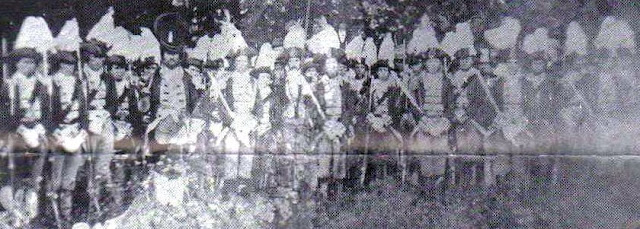
Appropriately outfitted in uniforms inspired by their forbearers, the Continentals, these Virginians formed a most prestigious club of freedom fighters heading into one of the single most defining wars in world history.
As war broke out as newly-inaugurated President Lincoln resupplied Fort Sumter in the seceded state of South Carolina, the Morgan Guard joined a long list of venerable statesmen, Army officers, former secretaries of War, seasoned war veterans, and even former presidents of the United States, in defending Southern rights and the establishment of the Confederate States of America.
One such supporter, Franklin Pierce, war veteran and fourteenth president of the United States, wrote to his wife at the outset of the war: “I will never justify, sustain or in any way or to any extent uphold this cruel, heartless, aimless, unnecessary war.”
A fierce critic of President Abraham Lincoln, Pierce vehemently opposed Lincoln’s aggressive invasion and blockade of the South, along with his unconstitutional suspension of the writ of habeas corpus, which he rightly classified as an irrevocable compromise of civil liberties.
Pierce was not alone in championing the cause of liberty in the face of flagrant government overreach. Indeed, much of the Northern population found agreement with Pierce in preferring peace over any war aiming to "preserve the Union" by force.
This most pivotal moment in American history, when the world observed in awe the most modern form of warfare ever witnessed on the soil of this planet, was nothing short of another calamitous War of Independence, the pushback of Patriots loyal to the law of the land, willing to commit their lives for the survival of liberty and the chance that posterity might stand to enjoy it.
So when you're celebrating this Memorial Day, pause to reflect on the untold sacrifice for, and the spirit of, liberty. It endures only for those who take heed of the costs attending too little of it, and it survives only so long as Patriots in the flesh are prepared to preserve its memory and sacrifice for its survival.
In paying tribute to the costly War Between the States, this day serves to honor the men and women who, just a century and a half ago, made the dearest of sacrifices in defense of liberty, sovereignty and states’ rights.
Nearly 3 percent (800,000) of the US population perished in that bloody and treacherous war; to put that figure into perspective today, a 3-percent death rate in 2020 would leave 10 million Americans dead.
Even before the end of this devastating war, in the aftermath of losing so many of their beloved sons, husbands and fathers in the defense of their home states, mothers, wives and daughters, mourning their losses, decorated the graves of their loved ones to honor their memory and their sacrifice to the Southern, and truly American, cause.
The War Between the States claimed so many American lives, more than in any other conflict in American history, that it prompted the first national cemeteries in the United States. So many men perished in this single conflict that it would take more than a century, punctuated by a long war in Vietnam, for American deaths in all other wars to eclipse the death toll of the War Between the States.
A costly war, in terms of both lives and resources, one must remember that it was waged by Northern politicians dead set on forcing the South to comply with its unconstitutional directives. When the Northern politicians failed to respect the right of secession, they brought war and invasion with them to the South, where decent and respectable men, fighting not for sport nor adventure nor financial gain, as was common in the North, sought to defend their respective states, their homes and the rights protected by their Constitution.
These were rugged Americans steadfast in their beliefs in federalism, state sovereignty and representative government, whose rights were brazenly disregarded by a highly-controversial faction of mercantilistic radicals to the North, termed Radical Republicans, who sought to subject the South to unspeakable and blatantly unconstitutional economic burdens in order to finance their imperialistic endeavors, which they marketed as internal improvements. Just as the colonists rejected taxation without representation, so too were these American Patriots driven by the principles of just and apportioned government.
As memorialized by the 1861 marching song, The Bonnie Blue Flag:
"As long as the Union was faithful to her trust
Like friends and like brethren, kind were we, and just
But now, when Northern treachery attempts our rights to mar
We hoist on high the Bonnie Blue Flag that bears a single star."
Before the War Between the States, one of the prominent guards of liberty, aptly named the Morgan Guard after American Patriot and famed military tactician Daniel Morgan, aimed to preserve the memory, spirit and ethos of the Revolution.

Appropriately outfitted in uniforms inspired by their forbearers, the Continentals, these Virginians formed a most prestigious club of freedom fighters heading into one of the single most defining wars in world history.
As war broke out as newly-inaugurated President Lincoln resupplied Fort Sumter in the seceded state of South Carolina, the Morgan Guard joined a long list of venerable statesmen, Army officers, former secretaries of War, seasoned war veterans, and even former presidents of the United States, in defending Southern rights and the establishment of the Confederate States of America.
One such supporter, Franklin Pierce, war veteran and fourteenth president of the United States, wrote to his wife at the outset of the war: “I will never justify, sustain or in any way or to any extent uphold this cruel, heartless, aimless, unnecessary war.”
A fierce critic of President Abraham Lincoln, Pierce vehemently opposed Lincoln’s aggressive invasion and blockade of the South, along with his unconstitutional suspension of the writ of habeas corpus, which he rightly classified as an irrevocable compromise of civil liberties.
Pierce was not alone in championing the cause of liberty in the face of flagrant government overreach. Indeed, much of the Northern population found agreement with Pierce in preferring peace over any war aiming to "preserve the Union" by force.
This most pivotal moment in American history, when the world observed in awe the most modern form of warfare ever witnessed on the soil of this planet, was nothing short of another calamitous War of Independence, the pushback of Patriots loyal to the law of the land, willing to commit their lives for the survival of liberty and the chance that posterity might stand to enjoy it.
So when you're celebrating this Memorial Day, pause to reflect on the untold sacrifice for, and the spirit of, liberty. It endures only for those who take heed of the costs attending too little of it, and it survives only so long as Patriots in the flesh are prepared to preserve its memory and sacrifice for its survival.
Comments
Post a Comment